Research
My research programme investigates the neuroscience, psychology, and beliefs of non-ordinary states of consciousness, particularly those induced by psychedelics and meditation, to advance our understanding of human consciousness and to inform novel approaches to mental health.
My current research focuses on investigating the potential of psychedelics and meditation to advance consciousness science and inform novel approaches to mental health.
At UCL, I am extending this programme through the Centre for Consciousness Research (UCCR), which I co-direct with Prof. Jeremy Skipper, integrating advanced neuroimaging, computational modelling, and contemplative approaches.
My career spans over 70 research articles, 7,000+ citations, and my work has been published in high-impact journals such as PNAS, Nature Medicine, and TICS, among others. A full list of publications can be found here.

Deconstruction and Reconstruction of the Self
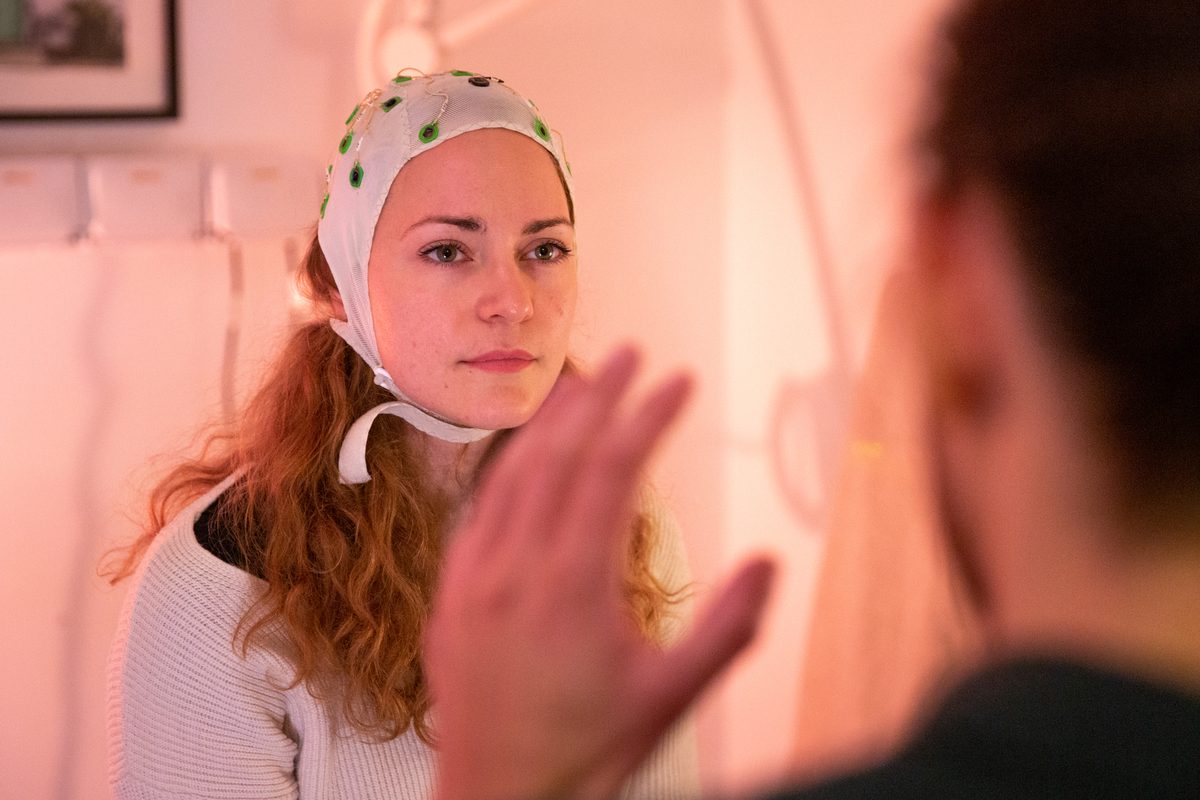
A growing focus of my research concerns how psychedelics deconstruct and reconstitute the sense of self, and what this reveals about both consciousness and mental health.
Our work with 5-MeO-DMT, a powerful psychedelic that can strip away all features of selfhood while preserving awareness has offered a unique window into states resembling “pure awareness.” We have begun mapping these self-deconstructive states onto distinct brain mechanisms.

Psychedelic Neuroscience
A central strand of my work has involved characterising the brain mechanisms underlying the psychedelic experience, with a particular focus on N,N-Dimethyltryptamine (DMT) and related short-acting psychedelics.
My group conducted some of the first brain imaging studies of DMT in humans, revealing that DMT produces widespread increases in brain connectivity and signal diversity. We have also demonstrated that DMT alters cortical travelling waves, and our pharmacokinetic-pharmacodynamic modelling work has developed methods for extending and optimising the administration of DMT for both research and clinical purposes.

Meditation, Non-Ordinary States, and Consciousness
An emerging area of my research explores the convergences between psychedelics and contemplative practices such as meditation, as well as other non-ordinary states of consciousness.
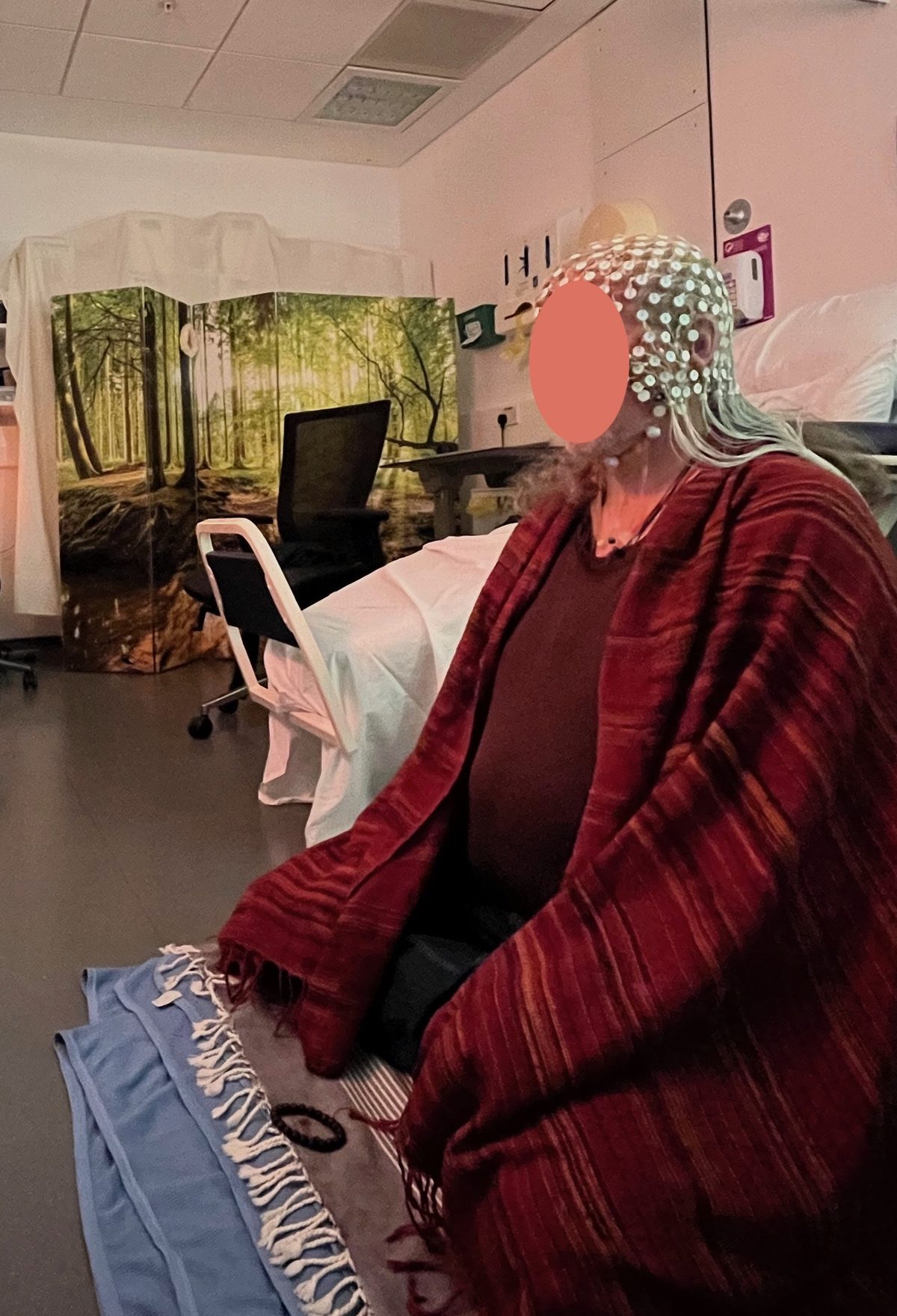
This includes the first neurophenomenological investigations comparing experiences of ‘pure awareness’ in 5-MeO-DMT and meditation in advanced meditation practitioners and broader theoretical work on how these practices may complement one another in consciousness research and clinical practice.
Meditation may effectively synergise with psychedelic experiences by promoting the cultivation of traits and skills for navigating non-ordinary states, sustaining insights, and integrating them into everyday life.
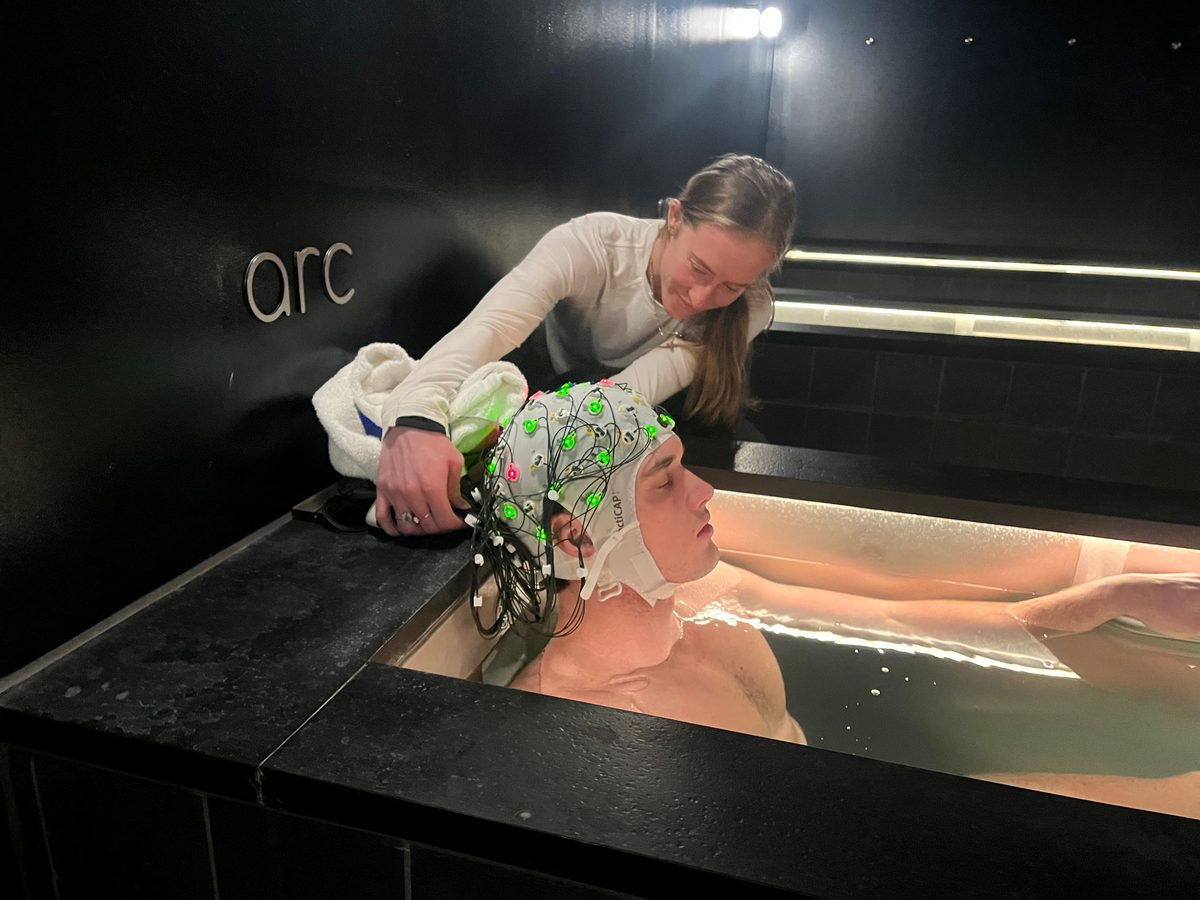
In addition to this, my team is currently performing the first study exploring the neuroscience of the experience of acceptance (or ‘letting-go’) during full-body cold water immersion.
Psychedelics and Mental Health
My research also investigates the psychological and therapeutic mechanisms of psychedelic experiences, including their effects on wellbeing, depression, and anxiety.
I have led and contributed to studies examining DMT’s effects on mental health outcomes in healthy volunteers and clinical trials examining DMT and psilocybin for depression, with highly promising outcomes.
Neurophenomenology
I am committed to a ‘neurophenomenological’ approach that integrates rigorous neuroscience with careful attention to subjective experience. Rather than treating brain activity as the primary object of study while relegating subjective experience to a secondary status, this approach begins with experience and traces its correspondence with brain function.
This includes the use of first-person methodologies such as ‘micro-phenomenology’ and experiential inquiry to study how non-ordinary states of consciousness reshape conscious experience.
This line of work has evolved into a cross-disciplinary framework for studying consciousness employing non-ordinary states, including hypnosis, meditation, and psychedelics.

Ethics and Psychedelic Apprenticeship
A key concern of mine is the ethical integration of psychedelics in healthcare systems and other contexts. My research has revealed that psychedelic experiences can potentially induce false memories, ontologically shocking experiences that can alter worldviews, and forms of spiritual escapism (or ‘bypassing’).
The ability of psychedelics to heal via dramatic alterations of consciousness calls for the ethical development of embodied expertise among the professionals who support these experiences. I call this process psychedelic apprenticeship.
Key Publications
Neuroscience of psychedelics (including DMT and 5-MeO-DMT)
- An international mega-analysis of psychedelic drug effects on brain circuit function. Nature Medicine. 2026.PDF
- DMT-induced shifts in criticality correlate with self-dissolution. Journal of Neuroscience. 2026.JournalPDF
- Exploring 5-MeO-DMT as a model for deconstructed consciousness. Neuroscience of Consciousness. 2025.JournalPDF
- Dynamic medial parietal and hippocampal deactivations under DMT relate to sympathetic output and altered sense of time, space, and the self. Imaging Neuroscience. 2025.PDF
- Human brain effects of DMT as determined with EEG-fMRI. PNAS. 2023.JournalPDF
- DMT alters cortical travelling waves. eLife. 2020.Journal
- Neural correlates of the DMT experience assessed with multivariate EEG. Scientific Reports. 2019.PDF
Mental health effects of psychedelics
- A short-acting psychedelic intervention for major depressive disorder: a phase IIa randomized placebo-controlled trial. Nature Medicine. 2026.JournalPDF
- Effect of psilocybin versus escitalopram on depression symptom severity in patients with moderate-to-severe major depressive disorder: observational 6-month follow-up of a phase 2, double-blind, randomised, controlled trial. eClinical Medicine. 2025.JournalPDF
- Effects of DMT on mental health outcomes in healthy volunteers. Scientific Reports. 2024.JournalPDF
- Interrupting the psychedelic experience through contextual manipulation to study experience efficacy. JAMA Network Open. 2024.PDF
- Autonomic nervous system activity correlates with peak experiences induced by DMT and predicts increases in well-being. Journal of Psychopharmacology. 2024.PDF
Meditation, neurophenomenology, and non-ordinary states of consciousness
- A neurophenomenological approach to non-ordinary states of consciousness: hypnosis, meditation, and psychedelics. Trends in Cognitive Sciences. 2023.JournalPDF
- Micro-phenomenology of immersion and perceived presences under DMT. Neuroscience of Consciousness. 2026.JournalPDF
- Neural effects and phenomenology of nondual meditation and 5-MeO-DMT in an expert meditation practitioner. PsyArXiv (preprint). 2025.JournalPDF
- Multimodal neurophenomenology of advanced concentration absorption meditation: an intensively sampled case study of Jhana. NeuroImage. 2025.PDF
- Within-subject comparison of near-death and psychedelic experiences: acute and enduring effects. Neuroscience of Consciousness. 2024.PDF
Courses
I have led and taught multiple courses pertaining to the science of psychedelics. Together with universities in Latin America I developed the first PGCert concerning psychedelic science in the region.
Additionally, I developed a course taught entirely by myself: Unlocking the Psychedelic Mind. This 10-week course is the most comprehensive, up-to-date introductory programme taught by a leading researcher in the field.
The course features emerging themes in the field, such as the intersection between psychedelics and consciousness, meditation, and creativity, as well as extensive coverage of my own research involving DMT and 5-MeO-DMT.
Pre-enrol for the next edition of the course by sending an email with your intention.